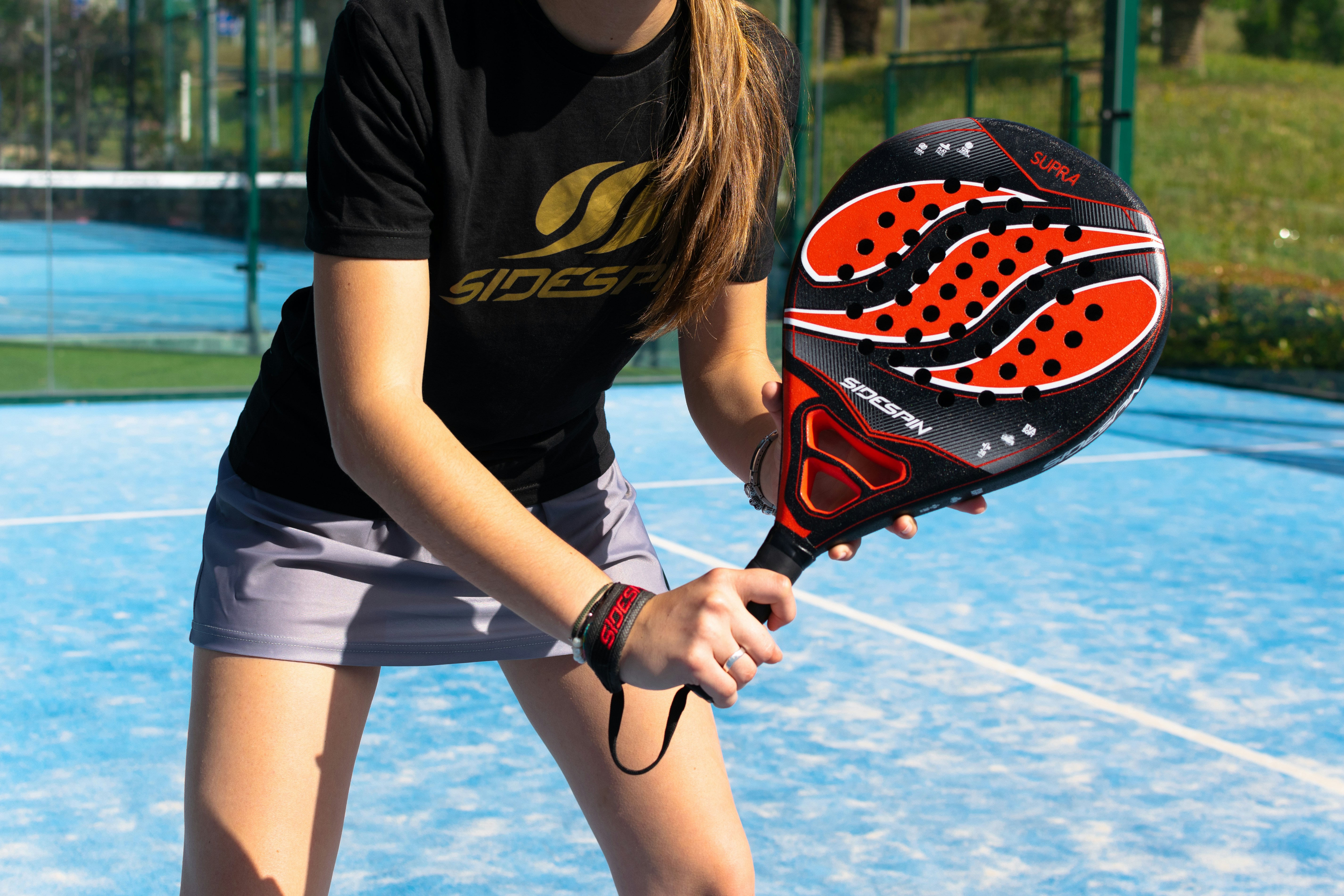
Understanding Padel Racket Types
Choosing the right Padel racket is essential for improving your gameplay and enhancing your overall experience on the court. Padel rackets are generally categorized into three levels: beginner, intermediate, and professional. Each type has specific characteristics that cater to various skill levels and playing styles.
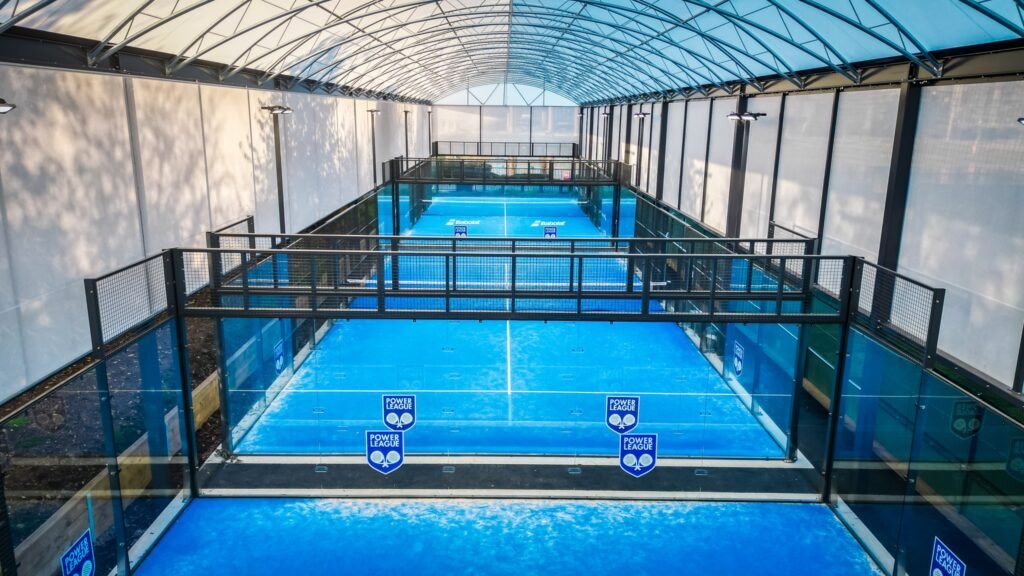
Beginner-level Padel rackets are designed to provide ease of use and maximize playability for those new to the sport. Typical features include:
- Weight: Generally lighter, ranging from 320 to 350 grams, making them easier to manoeuvre.
- Grip: Wider grip circumference to accommodate various hand sizes, promoting comfort.
- Construction Material: Often made of fiberglass, which offers flexibility and reduce shock.
Intermediate-level rackets offer enhanced performance characteristics while still being user-friendly. Their distinctive features often include:
- Weight: A medium range of around 350 to 370 grams, providing a balance of power and control.
- Grip: Narrower grip options for increased precision and management.
- Construction Material: A combination of fiberglass and carbon fiber, yielding better durability and power.
Professional-level Padel rackets are designed for seasoned players who require advanced performance. Key attributes usually involve:
- Weight: Heavier, typically between 370 to 400 grams, allowing for powerful strikes.
- Grip: Customizable grips tailored to personal preferences for enhanced control.
- Construction Material: Primarily carbon fiber, which provides significant strength combined with lightweight properties.
Ultimately, understanding these Padel racket types: beginner, intermediate, and professional – will significantly aid players in selecting a racket that aligns with their skill level, ensuring a more enjoyable experience on the court.
Size and Weight
When selecting a Padel racket, the first essential feature to consider is its size and weight. Padel rackets come in various dimensions and weights, which directly influence a player’s comfort and performance. Beginners typically benefit from lighter rackets, as they provide better manoeuvrability and reduce fatigue during long stints of play. Rackets weighing between 340 and 375 grams are ideal for those new to the sport, allowing for easier handling. On the other hand, seasoned players might prefer heavier rackets for increased stability and impact, which can contribute to increased power during their shots.
Balance Point
Another significant factor is the racket’s balance point, which can be categorised as head-heavy, head-light, or evenly balanced. Head-heavy rackets often provide more power with each strike due to increased mass at the head, yet they may be more challenging to control. In contrast, head-light designs favor control and precision, allowing players to execute delicate shots with ease. For intermediates seeking a blend of both, an evenly balanced racket serves as a great compromise, delivering a mix of power and control that suits various playing styles.
Shape
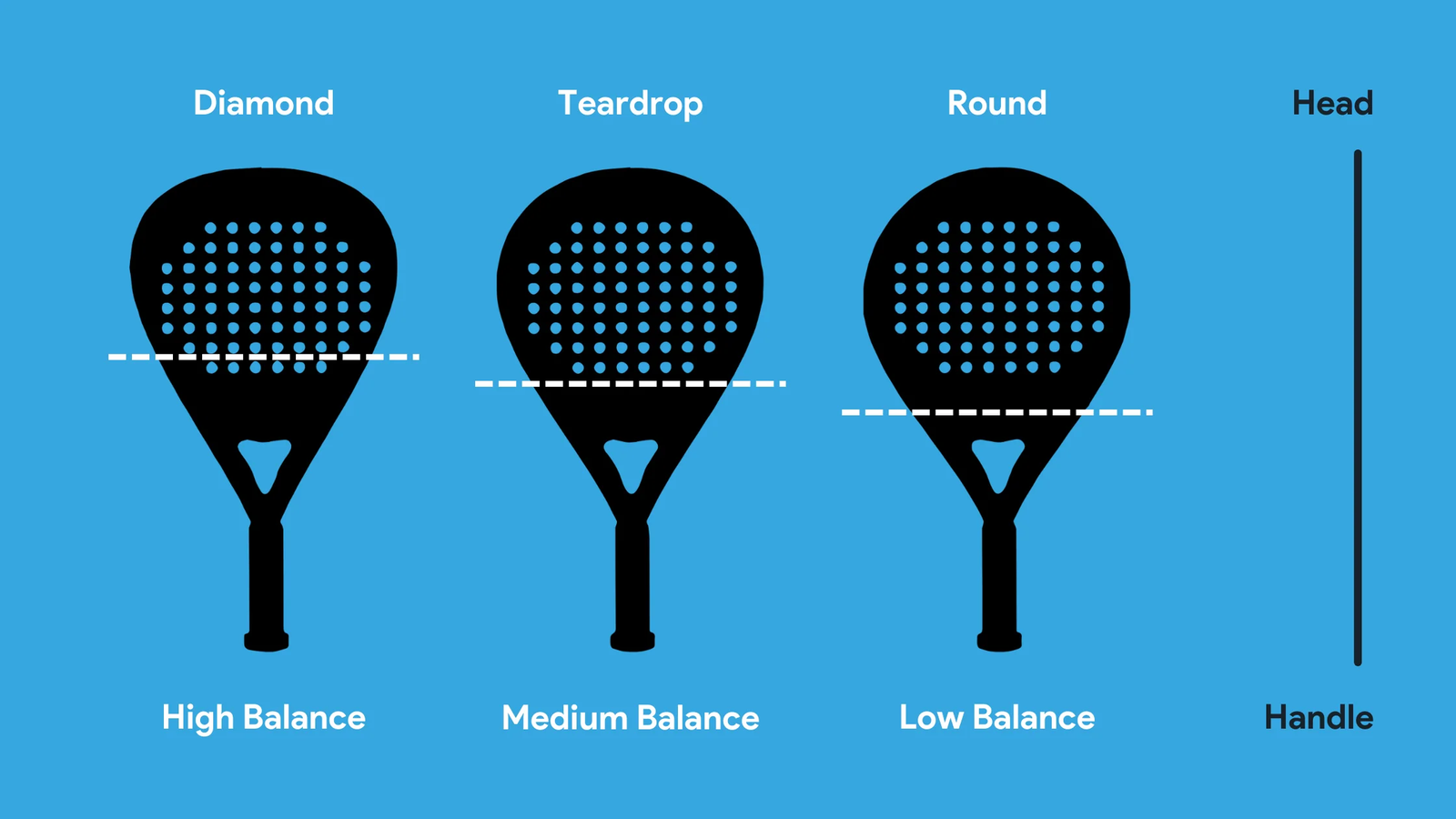
The shape of a Padel racket also plays a crucial role in performance. Rackets come in three primary shapes; round, teardrop, and diamond. Round rackets are ideal for beginners, offering a larger sweet spot and added forgiveness on off-center hits. Teardrop-shaped rackets, favoured by intermediates, provide a balance of power and control, allowing for more aggressive gameplay. Diamond-shaped rackets, however, are best suited for advanced players as they offer less forgiveness but can generate superior power for experienced users.
Surface Texture
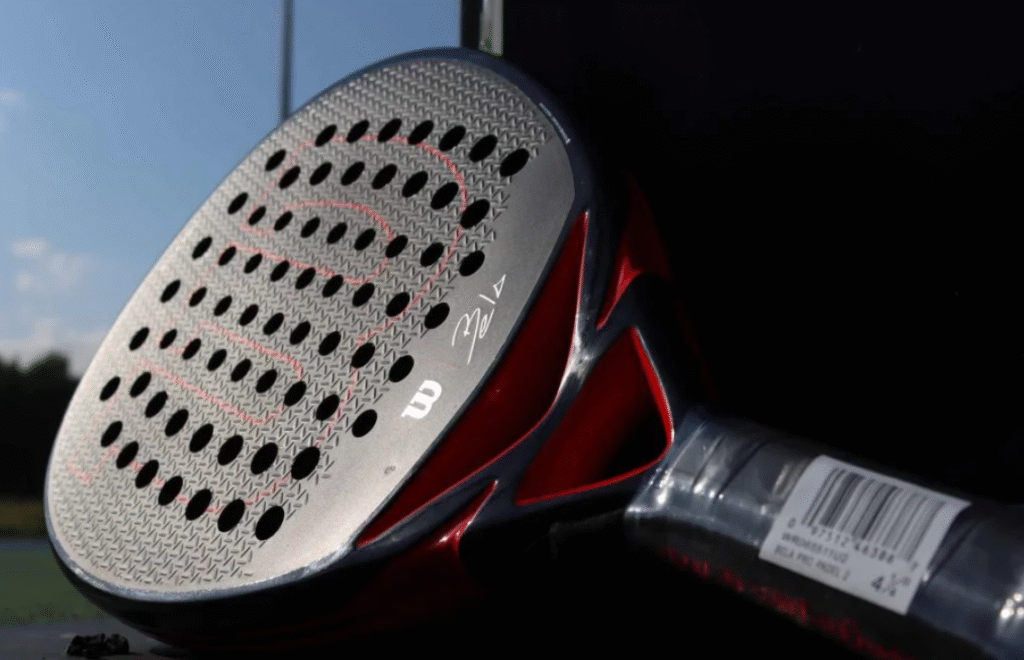
The surface texture of the Padel racket is worth considering as well. Rackets with rougher textures enable advanced players to impart spin on the ball, enhancing tactical play. Those who are still developing their skills might prefer smoother surfaces to ensure more consistent ball contact and trajectory. Therefore, selecting the right surface texture is essential depending on the player’s skill level and style of play.
Power vs. Control
Ultimately, the choice between power and control is vital when selecting a Padel racket. Players should assess their personal preferences and style upon choosing their ideal racket. Beginners may opt for a racket designed for control, as they are still familiarizing themselves with the game’s mechanics, while intermediate and advanced players can benefit from rackets that offer a blend of both properties to accommodate their evolving skills. Understanding these key features will ensure that players select a Padel racket that aligns with their playing style and enhances their overall performance on the court.if you want more on power vs control you can watch this YouTube video.
Budgeting for Your Padel Racket
When selecting a Padel racket, establishing a budget is a crucial first step. The price of Padel rackets can vary widely, influenced by factors such as brand reputation, materials used, and features offered. To help you navigate this landscape, it is essential to find a balance between quality and affordability.
Padel rackets are typically categorized into distinct price ranges, correlating with different player experience levels:
- Beginner Level ($30 – $70): For newcomers, affordable options are available that provide a solid introduction to the game. Brands such as Head and Wilson offer reliable models within this range, perfect for those just starting.
- Intermediate Level ($70 – $150): As players grow more skilled, investing in a better quality racket becomes vital. Products from brands like Babolat and Prince often enhance performance and comfort, and are well-suited for intermediate enthusiasts.
- Professional Level ($150 and above): Advanced players may require specialized features found in high-end rackets. Brands like Selkirk or ProLite provide excellent options designed for competitive play, focusing on precision and control.
When budgeting, consider not only the initial purchase price but also potential additional costs such as grip tape, protective covers, and periodic racket maintenance. Balancing quality with price ensures that your investment enhances your playing experience while providing good value for money.
Overall, identifying your skill level and understanding the corresponding price ranges can guide you toward making informed financial decisions regarding your Padel racket purchase. Look for reputable brands that cater to your needs and maintain a budget that reflects both your playing style and aspirations.
Testing Your Padel Racket: A Practical Approach
When it comes to selecting the ideal Padel racket, the significance of testing and trialing cannot be overstated you can see a YouTube video here on the best way to do so. Engaging with the racket personally allows players—whether beginners, intermediates, or professionals—to ascertain how well a particular model aligns with their preferences and playing style. To begin this process, visiting local sporting goods stores is a practical option. Many retailers offer in-store demo models that enable players to swing and feel various rackets before making a commitment.
Additionally, participating in demo days hosted by local Padel clubs or organizations can provide complementary experiences. These events often showcase a range of brands and models, allowing players to compare them side by side. Engaging in friendly matches during these occasions will further illuminate how each racket performs under actual game conditions, emphasizing comfort, control, and responsiveness—critical factors for any player.
Borrowing a Padel racket from friends or fellow players offers another valuable avenue for testing. This method allows users to try out a racket over a more extended period in their own familiar environment. It provides the opportunity to notice subtle differences in performance that may not be as easily detected during a brief test at a store or an organized event. Focus on the sensations experienced while playing: how well the racket absorbs shock, the level of precision in shot placement, and overall enjoyment during play.
Expert players often recommend that novices especially pay close attention to how a racket feels in their hand and how quickly they can adapt to its weight and balance. Gathering feedback from more experienced players can also enhance the selection process, as they may share insights based on their extensive testing experiences. Overall, embracing a hands-on approach through testing various rackets is imperative in discovering your perfect fit, ensuring that you choose a model that complements your unique style of play. you can read more on testing panel rackets here...