
The Best Padel Clubs in the UK: A Comprehensive Guide

Padel’s Rise in Popularity
A rise in awareness and exposure to padel due to social media spread from popular influencers has led to the building of numerous padel clubs and courts, particularly in urban areas with high populations, such as London. As the sport continues to attract interest, many cities are seeing growth in the development of padel facilities, which are becoming popular venues for social gatherings, organized competitions, and community events. The enthusiasm surrounding these clubs speaks to the growing recognition of padel as a worthwhile recreational pursuit, further fueling its expansion in the UK and many other countries.
Padel a racquet sport that blends elements of tennis and squash, has gained rapid popularity across the United Kingdom in recent years. Originating from Mexico in the 1960s and now growing in many countries, this engaging sport appeals to a diverse range of players due to its accessibility and dynamic gameplay. Unlike traditional sports that may require extensive training, padel is designed to be approachable for individuals of all skill levels who are just looking to chat and have a fun time, making it an ideal choice for beginners.
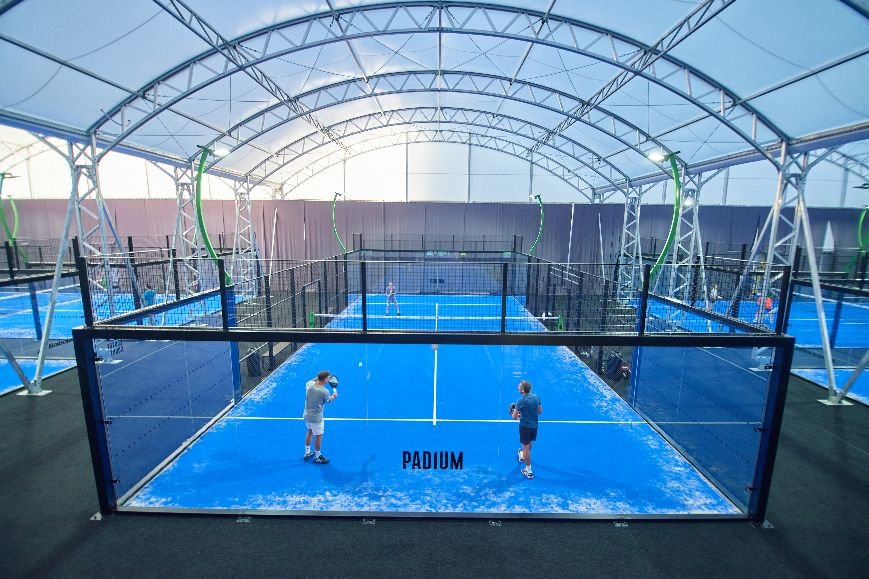
Top Padel Clubs in London
As a notable center for padel fans, London has become a key hub for padel lovers looking for quality facilities and vibrant communities. Among the leading padel clubs in the city, the primary highlight is the Stratford Padel Club. This club boasts state-of-the-art indoor and outdoor courts that cater to all skill levels. The environment is inviting, making it an ideal option for both novices and experienced players. Furthermore, Stratford Padel Club provides coaching programs conducted by certified experts, ensuring players can improve their game while enjoying the sport.
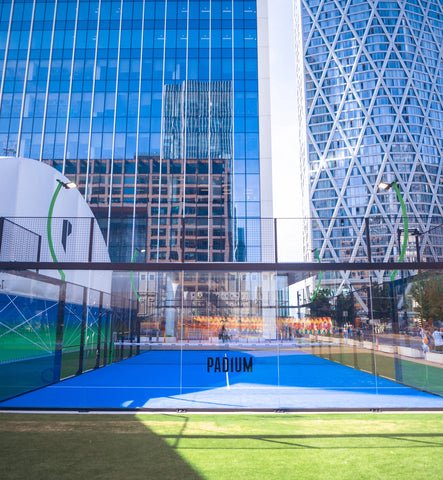
Next on the list is the Padium, which boasts multiple courts and a spacious lounge area for social gatherings. This club hosts various events throughout the year, including competitive leagues and social games that foster a community spirit. Membership options are flexible, accommodating casual players who wish to visit occasionally and those seeking regular play. The club’s commitment to encouraging participation in padel is evident in its organized tournaments, providing opportunities for players to showcase their skills.
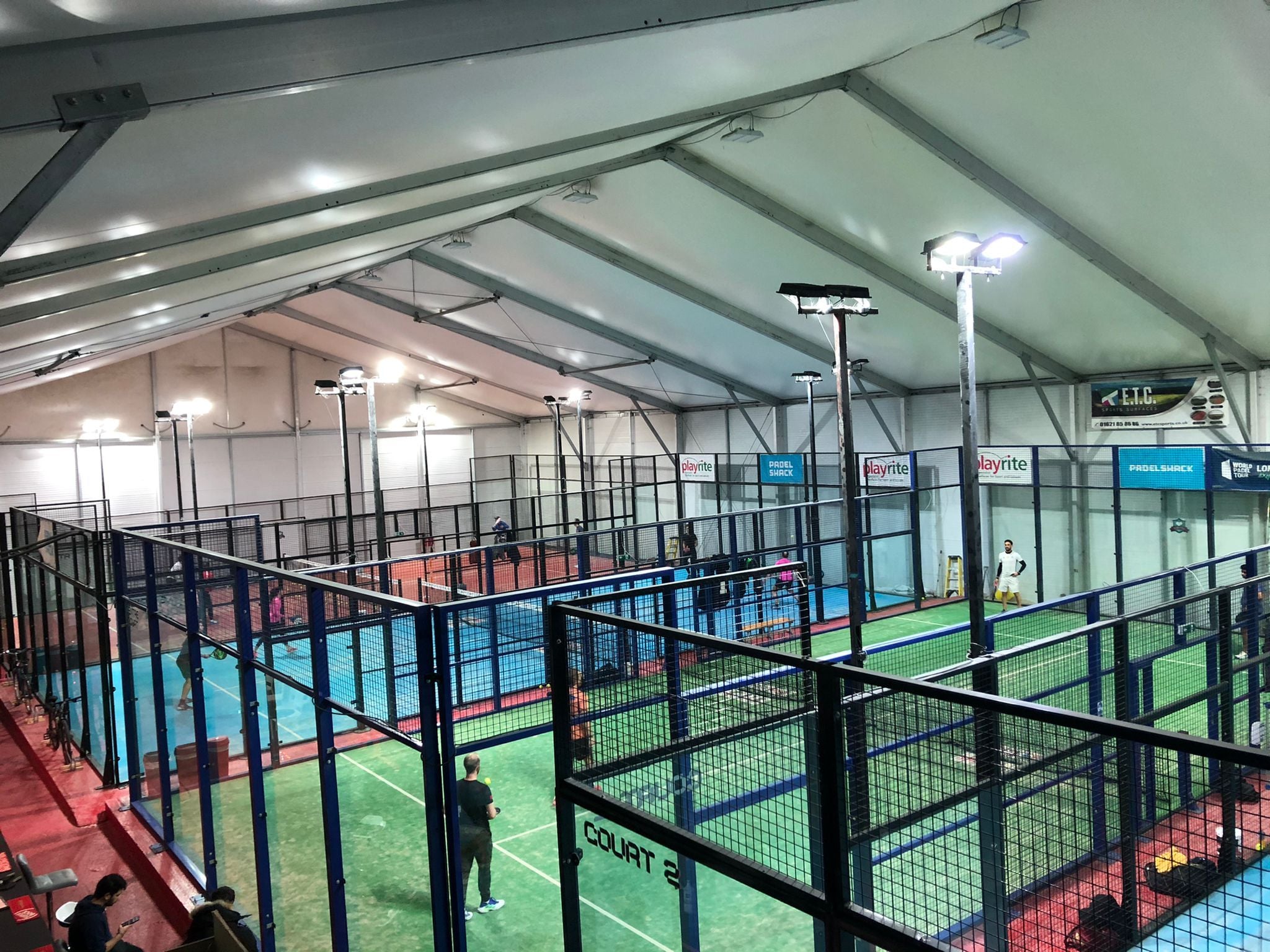
Another standout venue is the The Padel Yard, conveniently located in the heart of London. With high-quality courts and professional coaching available, this club is particularly attractive for those looking to elevate their padel experience. All Star Padel is noted for its comprehensive membership packages, which often include access to exclusive events and tournaments. The facility also places a strong emphasis on community engagement, with social nights and friendly competitions designed to cultivate camaraderie among members.

Popular Padel Clubs Outside of London
While London remains a hub for padel enthusiasts, numerous exceptional clubs across the United Kingdom are fostering the sport’s growth. In cities such as Manchester, Birmingham, and Edinburgh, these clubs are not only promoting padel but also creating accessible environments for players of all skill levels. This section explores several noteworthy padel clubs outside of London, highlighting their amenities, accessibility, and community involvement.
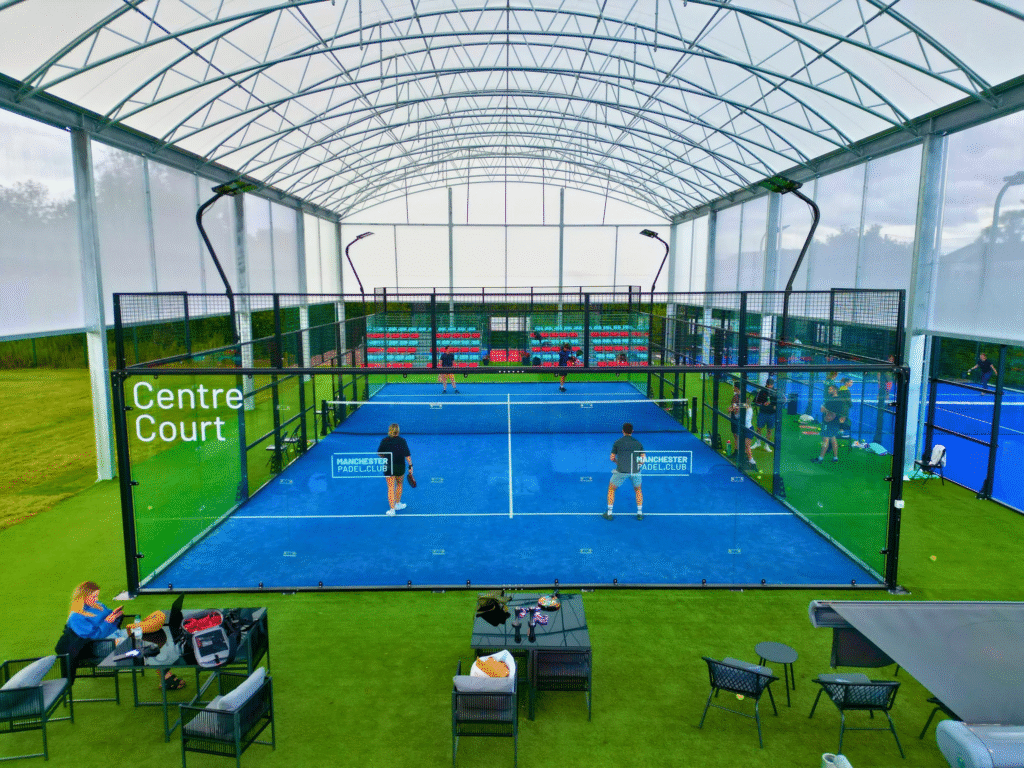
In Manchester, the Manchester Padel Club stands out due to its modern facilities, which include multiple indoor and outdoor courts. The club offers a welcoming environment for beginners, with regular coaching clinics and social events that encourage participation. Accessibility is a key feature, as the club is conveniently located with excellent transport links, making it easy for local residents and visitors alike to join in on the fun.
Moving to Birmingham, the Powerleague Padel Birmingham offers a unique blend of competitive and recreational play. The club features a well-maintained facility with several courts and a lively social calendar. They prioritize inclusivity, hosting frequent beginner lessons and outreach programs to engage with the community and attract new players. Their focus on fostering a supportive atmosphere resonates well with those looking to learn and enjoy padel in a friendly setting.
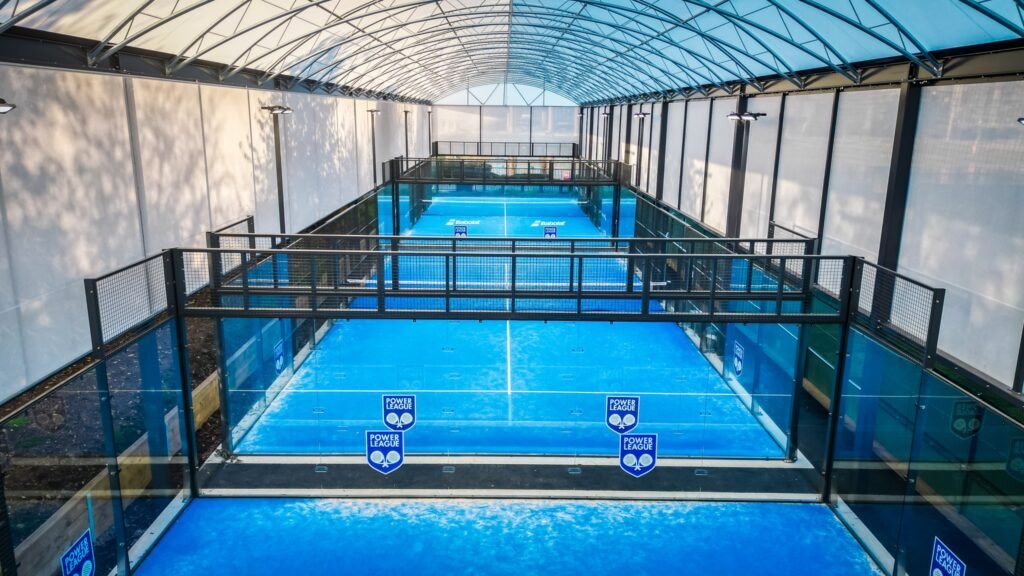
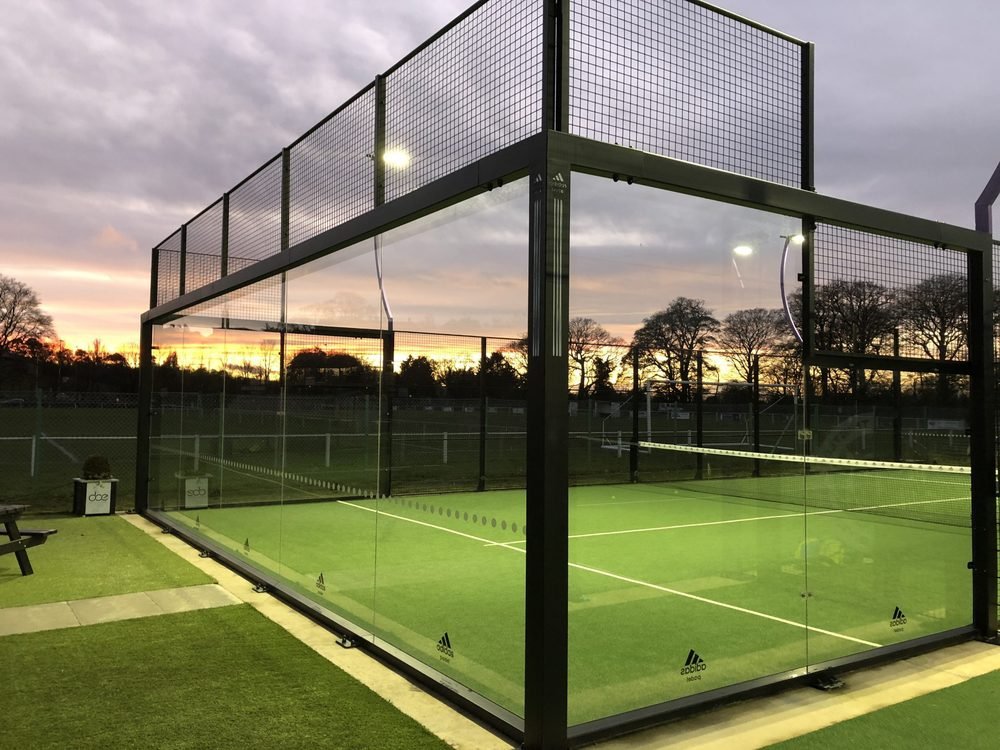
Lastly, the Thistle Padel Club Edinburgh serves as a prominent example of padel’s expanding influence in Scotland. With a strong focus on community involvement, this club offers various activities, including tournaments and charity events that promote both competitive play and social interaction. The facilities here include indoor courts equipped with high-quality lighting, ensuring that members can play year-round, regardless of weather conditions.
These clubs exemplify how the sport of padel is gaining traction across the UK, moving beyond London and creating vibrant spaces for all enthusiasts. Each club provides an opportunity for both new and experienced players to come together, promoting healthy competition while fostering community connections.
The Future of Padel Clubs in the UK
As interest in padel continues to grow in the United Kingdom, the future of padel clubs appears increasingly promising. There has been a notable surge in memberships across various demographics, suggesting that more individuals are recognizing padel not just as a sport, but as a vibrant social activity. This increase in participation is likely to encourage existing clubs to expand their facilities, creating more courts and offering enhanced amenities to cater to their growing membership bases. Such developments are essential, as they align with the rising demand for versatile recreational spaces.
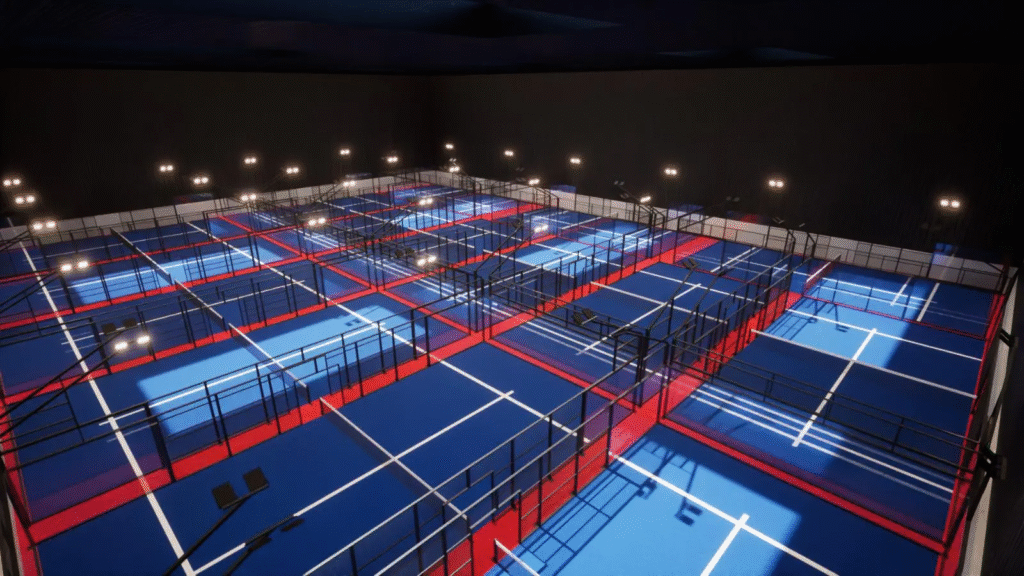
On a national level, competitions and tournaments are set to elevate the sport’s profile. As more professional events are organized, they not only provide a platform for showcasing talent but also attract media attention, which can significantly boost interest and participation rates. The establishment of a national league or federation focused on padel could facilitate a structured growth pathway, ensuring that it not only survives but thrives within the competitive landscape of sports in the UK.
In conclusion, the trajectory for padel clubs in the UK looks optimistic. With expanding memberships, enhanced facilities, collaborative community efforts, and a rising profile through competitions, it is an exciting time for enthusiasts. Readers are encouraged to engage with their local padel clubs, becoming part of this flourishing community as the sport continues to evolve and grow.